
New life has appeared in a place once thought empty. At Mt Gibson Wildlife Sanctuary, western quolls have returned after being pushed to the edge of extinction. Their reappearance marks a rare conservation success in Australia’s fragile ecosystems. The tiny, spiky-furred predators are now being born in the wild again. Scientists describe the moment as both fragile and powerful, as each joey represents survival against decades of decline.
Ecologist Georgina Anderson and her team closely monitor the animals, watching them learn to hunt, hide, and survive. Every burrow claimed and every successful feed suggests the sanctuary is beginning to work. But the environment remains dangerous. Feral cats, foxes, and harsh climate conditions continue to threaten the population, making recovery slow and uncertain despite the encouraging signs.
Each new litter is a symbol of progress, but not a guarantee of long-term survival. Conservation efforts such as predator control and habitat restoration remain essential if the species is to thrive in the wild. For researchers, the return of the western quoll is both a reason to celebrate and a reminder of how easily years of recovery could be reversed without continued protection.
The sanctuary has become a rare refuge where extinction is being pushed back one generation at a time. In the red dust of Mt Gibson, survival is no longer just a memory—it is an ongoing struggle reflected in tiny footprints, quiet movements, and the remarkable return of a species that once seemed destined to disappear forever.

Related Posts

Why a Cincinnati bride’s landlord walked her down the aisle
At a wedding in Cincinnati, a touching and unexpected moment captured the hearts of many when 79-year-old landlord Gil Pulliam walked his tenant, Shacole Fox, down the…
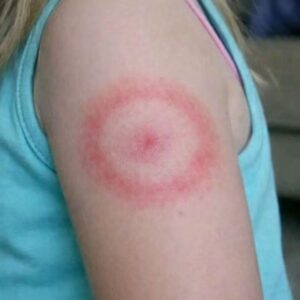
My Daughter Woke Up With a Strange Red Ring on Her Arm: A Parent’s Guide to Ring-Shaped Rashes (And When to Breathe Easy)
Seeing a ring-shaped red rash on your child’s arm can be alarming, but many circular rashes are not medical emergencies. The first step is to stay calm…

Surprising health benefits of onions
Onions are a staple ingredient in many kitchens, valued for both their flavor and nutritional benefits. They add a crisp bite to salads when eaten raw and…

Heres how Jeanetta just helped the Nolan Wells’ case.
Independent audio engineer Jeanetta Brantley has attracted widespread attention after enhancing audio from a boat recording that has circulated online in connection with the death of Nolan…

Child star Mara Wilson, 38, left Hollywood after ‘Matilda’ as she was ‘not cute anymore’
Mara Wilson became one of Hollywood’s best-known child stars during the 1990s, charming audiences with standout performances in Mrs. Doubtfire, Miracle on 34th Street, and Matilda. Although…

The Surprising Opinion Most People Have About Nurses’ Uniforms
The “best” nurse uniform depends on the specific demands of the healthcare environment, but some styles are generally more practical than others for everyday clinical work. In…