
Walking barefoot on natural surfaces like grass, sand, or soil—often called grounding or earthing—has become a popular wellness practice. The idea is that direct skin contact with the Earth may help regulate the body’s electrical balance, although scientists are still studying this theory. While the exact mechanism has not been confirmed, early research has explored possible effects on stress, sleep quality, and inflammation.
Some small studies have found that grounding may be linked to reduced perceived stress, better sleep, less muscle soreness after exercise, and changes in certain biological markers associated with inflammation. Researchers have also suggested that improved blood circulation and a calming effect on the nervous system could play a role. However, experts emphasize that the available evidence is limited, and much larger, high-quality studies are needed before firm conclusions can be drawn.
Even without considering the grounding theory, walking barefoot outdoors offers several well-known health benefits. It can strengthen the small muscles in the feet, improve balance and body awareness, and promote more natural movement patterns that are often restricted by shoes. Spending more time outside also supports mental well-being and has been consistently linked to lower stress levels and a better mood.
If you want to try walking barefoot, starting with 15 to 30 minutes on clean grass, sand, or soil is a simple and relaxing approach. Always avoid areas with sharp objects, broken glass, or possible contamination to reduce the risk of injury. People with medical conditions that affect foot sensation, such as nerve damage or diabetes, should speak with a healthcare professional before making barefoot walking a regular habit.

Related Posts

Why a Cincinnati bride’s landlord walked her down the aisle
At a wedding in Cincinnati, a touching and unexpected moment captured the hearts of many when 79-year-old landlord Gil Pulliam walked his tenant, Shacole Fox, down the…
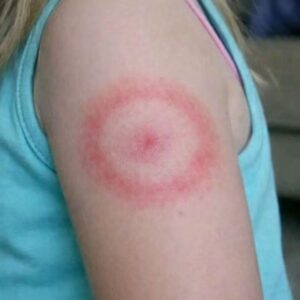
My Daughter Woke Up With a Strange Red Ring on Her Arm: A Parent’s Guide to Ring-Shaped Rashes (And When to Breathe Easy)
Seeing a ring-shaped red rash on your child’s arm can be alarming, but many circular rashes are not medical emergencies. The first step is to stay calm…

Surprising health benefits of onions
Onions are a staple ingredient in many kitchens, valued for both their flavor and nutritional benefits. They add a crisp bite to salads when eaten raw and…

Heres how Jeanetta just helped the Nolan Wells’ case.
Independent audio engineer Jeanetta Brantley has attracted widespread attention after enhancing audio from a boat recording that has circulated online in connection with the death of Nolan…

Child star Mara Wilson, 38, left Hollywood after ‘Matilda’ as she was ‘not cute anymore’
Mara Wilson became one of Hollywood’s best-known child stars during the 1990s, charming audiences with standout performances in Mrs. Doubtfire, Miracle on 34th Street, and Matilda. Although…

The Surprising Opinion Most People Have About Nurses’ Uniforms
The “best” nurse uniform depends on the specific demands of the healthcare environment, but some styles are generally more practical than others for everyday clinical work. In…