
Acne is a common skin condition that affects people of all ages, but not every breakout is the same. While mild pimples often respond well to over-the-counter products, more severe forms may require medical treatment. If you develop deep, painful cysts or nodules, or if acne continues for years or first appears in adulthood, it is a good idea to consult a dermatologist. Early treatment can help reduce the risk of permanent scarring and improve long-term skin health.
Cystic and nodular acne develop beneath the surface of the skin, causing large, inflamed bumps that are often painful to the touch. These severe breakouts can leave lasting scars, remain inflamed for weeks, and sometimes become infected. They can also affect confidence and emotional well-being because they are difficult to conceal and slow to heal.
Unlike mild acne, deep cysts and nodules usually do not respond to standard drugstore treatments. A dermatologist can recommend stronger therapies, including prescription topical medications, oral antibiotics, cortisone injections, or isotretinoin in appropriate cases. Professional care helps control inflammation, reduce future breakouts, and minimize the risk of permanent skin damage.
Acne can also begin for the first time during adulthood, a condition known as late-onset acne. It commonly affects people in their 20s, 30s, or later and is often linked to hormonal changes, particularly in women during menstrual cycles, menopause, or conditions such as polycystic ovary syndrome (PCOS). A dermatologist can identify the underlying cause and create a personalized treatment plan to manage the condition effectively.

Related Posts

Why a Cincinnati bride’s landlord walked her down the aisle
At a wedding in Cincinnati, a touching and unexpected moment captured the hearts of many when 79-year-old landlord Gil Pulliam walked his tenant, Shacole Fox, down the…
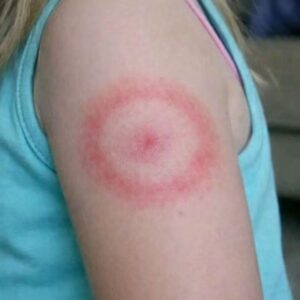
My Daughter Woke Up With a Strange Red Ring on Her Arm: A Parent’s Guide to Ring-Shaped Rashes (And When to Breathe Easy)
Seeing a ring-shaped red rash on your child’s arm can be alarming, but many circular rashes are not medical emergencies. The first step is to stay calm…

Surprising health benefits of onions
Onions are a staple ingredient in many kitchens, valued for both their flavor and nutritional benefits. They add a crisp bite to salads when eaten raw and…

Heres how Jeanetta just helped the Nolan Wells’ case.
Independent audio engineer Jeanetta Brantley has attracted widespread attention after enhancing audio from a boat recording that has circulated online in connection with the death of Nolan…

Child star Mara Wilson, 38, left Hollywood after ‘Matilda’ as she was ‘not cute anymore’
Mara Wilson became one of Hollywood’s best-known child stars during the 1990s, charming audiences with standout performances in Mrs. Doubtfire, Miracle on 34th Street, and Matilda. Although…

The Surprising Opinion Most People Have About Nurses’ Uniforms
The “best” nurse uniform depends on the specific demands of the healthcare environment, but some styles are generally more practical than others for everyday clinical work. In…