
Stroke is one of the leading causes of death worldwide, but experts say many cases can be prevented through healthier daily habits. One of the most effective ways to reduce your risk is by improving your diet, since what you eat directly affects major stroke risk factors such as high blood pressure, high cholesterol, and diabetes. Even small, consistent changes over time can have a positive impact on both heart and brain health.
A diet that is frequently recommended for stroke prevention is the Mediterranean diet, which emphasizes fruits, vegetables, whole grains, beans, seafood, and healthy fats. Foods such as extra-virgin olive oil, avocados, and nuts contain beneficial fats that may help lower LDL (“bad”) cholesterol, reduce inflammation, and support healthy blood vessels. Including a small handful of nuts in your daily routine is an easy way to add these nutrients.
Getting enough fiber and potassium is another important step in maintaining cardiovascular health. Fiber-rich foods like oatmeal, beans, apples, carrots, and whole grains can help lower cholesterol levels while supporting healthy digestion. Meanwhile, potassium-rich choices such as bananas, sweet potatoes, avocados, and beans may help regulate blood pressure. Herbs and spices including turmeric, ginger, rosemary, basil, and cinnamon can also enhance meals while offering compounds associated with heart health.
Experts also advise reducing your intake of added sugar and salt, as consuming too much of either can increase the risk of stroke and other cardiovascular diseases. Replacing processed snacks with healthier alternatives like fresh fruit or a handful of nuts, and adding more vegetables to everyday meals, are practical steps that can make a lasting difference. Building healthier eating habits one change at a time can provide long-term protection for both your heart and your brain.

Related Posts

Why a Cincinnati bride’s landlord walked her down the aisle
At a wedding in Cincinnati, a touching and unexpected moment captured the hearts of many when 79-year-old landlord Gil Pulliam walked his tenant, Shacole Fox, down the…
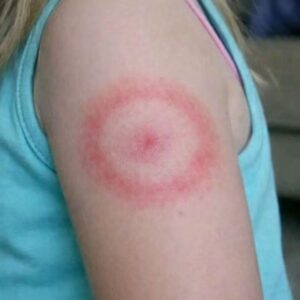
My Daughter Woke Up With a Strange Red Ring on Her Arm: A Parent’s Guide to Ring-Shaped Rashes (And When to Breathe Easy)
Seeing a ring-shaped red rash on your child’s arm can be alarming, but many circular rashes are not medical emergencies. The first step is to stay calm…

Surprising health benefits of onions
Onions are a staple ingredient in many kitchens, valued for both their flavor and nutritional benefits. They add a crisp bite to salads when eaten raw and…

Heres how Jeanetta just helped the Nolan Wells’ case.
Independent audio engineer Jeanetta Brantley has attracted widespread attention after enhancing audio from a boat recording that has circulated online in connection with the death of Nolan…

Child star Mara Wilson, 38, left Hollywood after ‘Matilda’ as she was ‘not cute anymore’
Mara Wilson became one of Hollywood’s best-known child stars during the 1990s, charming audiences with standout performances in Mrs. Doubtfire, Miracle on 34th Street, and Matilda. Although…

The Surprising Opinion Most People Have About Nurses’ Uniforms
The “best” nurse uniform depends on the specific demands of the healthcare environment, but some styles are generally more practical than others for everyday clinical work. In…