
When building a fence between properties, homeowners often focus on privacy and security. However, one important detail is often overlooked: which direction the finished side of the fence should face. In most cases, the polished, attractive side is intended to face your neighbor or the street, while the structural side remains on your own property.
Displaying the finished side outward is considered a sign of respect and good neighborly etiquette. It shows that you care about the appearance of your property from every angle and are mindful of how it affects those living nearby. This simple choice can help foster positive relationships and reduce the chances of misunderstandings.
By contrast, leaving the unfinished or support side facing a neighbor may be viewed as inconsiderate. Although it may seem like a minor detail, it can create frustration or lead to disagreements, particularly if neighbors believe the fence was installed without regard for shared property boundaries or appearance.
In many communities, this practice goes beyond courtesy and is included in local building codes or homeowner association guidelines. These rules often require the finished side of a fence to face outward in order to maintain a consistent neighborhood appearance. Ignoring these requirements could result in complaints, fines, or the need to modify or rebuild the fence.

Related Posts

Why a Cincinnati bride’s landlord walked her down the aisle
At a wedding in Cincinnati, a touching and unexpected moment captured the hearts of many when 79-year-old landlord Gil Pulliam walked his tenant, Shacole Fox, down the…
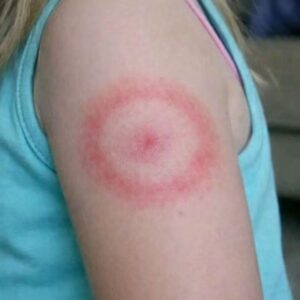
My Daughter Woke Up With a Strange Red Ring on Her Arm: A Parent’s Guide to Ring-Shaped Rashes (And When to Breathe Easy)
Seeing a ring-shaped red rash on your child’s arm can be alarming, but many circular rashes are not medical emergencies. The first step is to stay calm…

Surprising health benefits of onions
Onions are a staple ingredient in many kitchens, valued for both their flavor and nutritional benefits. They add a crisp bite to salads when eaten raw and…

Heres how Jeanetta just helped the Nolan Wells’ case.
Independent audio engineer Jeanetta Brantley has attracted widespread attention after enhancing audio from a boat recording that has circulated online in connection with the death of Nolan…

Child star Mara Wilson, 38, left Hollywood after ‘Matilda’ as she was ‘not cute anymore’
Mara Wilson became one of Hollywood’s best-known child stars during the 1990s, charming audiences with standout performances in Mrs. Doubtfire, Miracle on 34th Street, and Matilda. Although…

The Surprising Opinion Most People Have About Nurses’ Uniforms
The “best” nurse uniform depends on the specific demands of the healthcare environment, but some styles are generally more practical than others for everyday clinical work. In…