
Many people have experienced the sudden jolt of waking just as they are drifting off to sleep. This sensation is often paired with the feeling of falling, slipping, or stumbling, making it seem surprisingly real. Known as a hypnic jerk, or sleep start, this common occurrence may feel unsettling, but it is generally considered a normal part of the body’s transition from being awake to falling asleep.
A hypnic jerk is an involuntary muscle contraction that happens as the body begins to relax and heart rate and breathing gradually slow. Before the brain fully enters sleep, the nervous system may briefly trigger a sudden movement involving one limb or even the entire body. At the same moment, the brain may create the vivid illusion of falling, blending the muscle movement with dream-like imagery during the earliest stages of sleep.
Several factors can increase the chances of experiencing hypnic jerks, including sleep deprivation, physical fatigue, stress, anxiety, caffeine, nicotine, certain medications, and intense exercise close to bedtime. Although these sudden movements are usually harmless and rarely require medical treatment, healthy sleep habits can help reduce their frequency. Following a consistent sleep schedule, limiting caffeine later in the day, managing stress, avoiding excessive screen time before bed, and getting enough sleep each night can all support a more restful transition into sleep.
If nighttime jerks become frequent, painful, occur repeatedly throughout the night, or are accompanied by symptoms such as loud snoring, pauses in breathing, or excessive daytime drowsiness, it is important to seek medical advice. These symptoms may point to an underlying sleep disorder that deserves evaluation. For the vast majority of people, however, hypnic jerks are simply a fascinating and harmless reminder of how the brain and body prepare for a good night’s rest.

Related Posts

Why a Cincinnati bride’s landlord walked her down the aisle
At a wedding in Cincinnati, a touching and unexpected moment captured the hearts of many when 79-year-old landlord Gil Pulliam walked his tenant, Shacole Fox, down the…
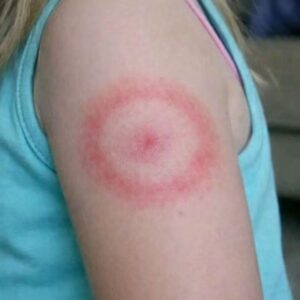
My Daughter Woke Up With a Strange Red Ring on Her Arm: A Parent’s Guide to Ring-Shaped Rashes (And When to Breathe Easy)
Seeing a ring-shaped red rash on your child’s arm can be alarming, but many circular rashes are not medical emergencies. The first step is to stay calm…

Surprising health benefits of onions
Onions are a staple ingredient in many kitchens, valued for both their flavor and nutritional benefits. They add a crisp bite to salads when eaten raw and…

Heres how Jeanetta just helped the Nolan Wells’ case.
Independent audio engineer Jeanetta Brantley has attracted widespread attention after enhancing audio from a boat recording that has circulated online in connection with the death of Nolan…

Child star Mara Wilson, 38, left Hollywood after ‘Matilda’ as she was ‘not cute anymore’
Mara Wilson became one of Hollywood’s best-known child stars during the 1990s, charming audiences with standout performances in Mrs. Doubtfire, Miracle on 34th Street, and Matilda. Although…

The Surprising Opinion Most People Have About Nurses’ Uniforms
The “best” nurse uniform depends on the specific demands of the healthcare environment, but some styles are generally more practical than others for everyday clinical work. In…