The three-dot tattoo may appear simple, but its meaning varies depending on culture, history, and personal circumstances. Often found on the hand, between the thumb and forefinger or near the knuckles, it is commonly connected to the “Three Wise Monkeys” proverb: see no evil, hear no evil, speak no evil. In some prison or criminal settings, it has been used to represent a code of silence, suggesting that the wearer does not cooperate with authorities or reveal information about others.
In addition to this interpretation, the tattoo may symbolize loyalty, brotherhood, and commitment to a shared code of conduct. Within certain prison systems and subcultures, it can serve as a discreet sign of trust, respect, secrecy, and solidarity. Some people also use extra dots to represent time spent in prison or significant events in their past, giving the tattoo a deeply personal meaning.
Although it is frequently associated with Russian prison culture, the three-dot tattoo is recognized in many parts of the world. In some Latin American communities, it is known as “Mi Vida Loca,” meaning “My Crazy Life,” and is often linked to a rebellious or high-risk lifestyle. While interpretations differ from one place to another, the symbol is generally connected to identity, belonging, or life experiences.
Outside these contexts, however, the tattoo may be misunderstood and lead to negative assumptions. Because it has been associated with criminal or gang-related symbolism in some regions, people with visible three-dot tattoos may face judgment, discrimination, or suspicion, regardless of their actual background. Ultimately, the tattoo is more than a simple design—its true meaning depends on the individual and the context in which it is worn.

Related Posts

Why a Cincinnati bride’s landlord walked her down the aisle
At a wedding in Cincinnati, a touching and unexpected moment captured the hearts of many when 79-year-old landlord Gil Pulliam walked his tenant, Shacole Fox, down the…
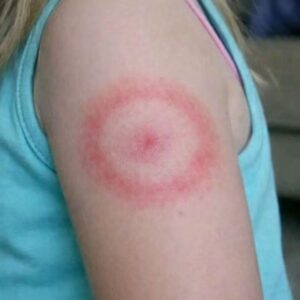
My Daughter Woke Up With a Strange Red Ring on Her Arm: A Parent’s Guide to Ring-Shaped Rashes (And When to Breathe Easy)
Seeing a ring-shaped red rash on your child’s arm can be alarming, but many circular rashes are not medical emergencies. The first step is to stay calm…

Surprising health benefits of onions
Onions are a staple ingredient in many kitchens, valued for both their flavor and nutritional benefits. They add a crisp bite to salads when eaten raw and…

Heres how Jeanetta just helped the Nolan Wells’ case.
Independent audio engineer Jeanetta Brantley has attracted widespread attention after enhancing audio from a boat recording that has circulated online in connection with the death of Nolan…

Child star Mara Wilson, 38, left Hollywood after ‘Matilda’ as she was ‘not cute anymore’
Mara Wilson became one of Hollywood’s best-known child stars during the 1990s, charming audiences with standout performances in Mrs. Doubtfire, Miracle on 34th Street, and Matilda. Although…

The Surprising Opinion Most People Have About Nurses’ Uniforms
The “best” nurse uniform depends on the specific demands of the healthcare environment, but some styles are generally more practical than others for everyday clinical work. In…