
Two small indentations on the lower back have captured attention for generations and are now widely discussed online as the so-called “divine seal of beauty.” Known as Venus dimples, these subtle marks have long been associated with attractiveness, vitality, and good health. While myths and social media often give them an almost magical reputation, their true origin is far more straightforward and rooted in human anatomy.
Venus dimples are small indentations located just above the buttocks. They are formed by short ligaments that connect the skin to the underlying pelvic bone, specifically near the posterior superior iliac spine. Because these ligaments and skeletal features are inherited, the presence of Venus dimples is largely determined by genetics. Like eye color or hair texture, they are a natural trait that some people are born with and others are not.
Although the term “Venus dimples” is most often used for women, men can have the same feature as well, where they are sometimes called “Apollo holes.” A common misconception is that these dimples can be developed through exercise. In reality, no workout can create them if the underlying anatomy is absent. However, people who naturally have the genetic trait may notice that the dimples become more visible when they maintain a healthy weight and reduce excess body fat, allowing the natural contours of the lower back to stand out more clearly.
Despite their reputation, there is little scientific evidence that Venus dimples provide direct health benefits. They do not automatically indicate better fitness or superior health. However, because they are often more noticeable in lean, physically active individuals, they have become associated with an athletic body type and healthy lifestyle. Rather than being a sign of extraordinary physical ability, Venus dimples are simply a natural anatomical variation that many people find aesthetically appealing.

Related Posts

Why a Cincinnati bride’s landlord walked her down the aisle
At a wedding in Cincinnati, a touching and unexpected moment captured the hearts of many when 79-year-old landlord Gil Pulliam walked his tenant, Shacole Fox, down the…
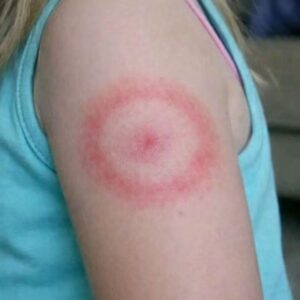
My Daughter Woke Up With a Strange Red Ring on Her Arm: A Parent’s Guide to Ring-Shaped Rashes (And When to Breathe Easy)
Seeing a ring-shaped red rash on your child’s arm can be alarming, but many circular rashes are not medical emergencies. The first step is to stay calm…

Surprising health benefits of onions
Onions are a staple ingredient in many kitchens, valued for both their flavor and nutritional benefits. They add a crisp bite to salads when eaten raw and…

Heres how Jeanetta just helped the Nolan Wells’ case.
Independent audio engineer Jeanetta Brantley has attracted widespread attention after enhancing audio from a boat recording that has circulated online in connection with the death of Nolan…

Child star Mara Wilson, 38, left Hollywood after ‘Matilda’ as she was ‘not cute anymore’
Mara Wilson became one of Hollywood’s best-known child stars during the 1990s, charming audiences with standout performances in Mrs. Doubtfire, Miracle on 34th Street, and Matilda. Although…

The Surprising Opinion Most People Have About Nurses’ Uniforms
The “best” nurse uniform depends on the specific demands of the healthcare environment, but some styles are generally more practical than others for everyday clinical work. In…